

Insider Tips for Stacking Discounts and Maximizing Savings Every Time You Shop
Most shoppers leave money on the table — not because deals don't exist, but because they only use one at a time. The real savings come when you layer multiple discount types on top of each other, turning a 10% off coupon into a 35% total reduction. That's the core idea behind stacking discounts, and once you understand the system, you'll wonder how you ever shopped any other way.
What Does "Stacking Discounts" Actually Mean?
Stacking discounts means combining two or more separate savings methods on a single purchase to reduce the final price further than any one discount could on its own. Think of it as layering — each layer shaves off a bit more, and together they compound into serious savings.
A basic example: you buy a jacket during a clearance sale (layer one), apply a promo code at checkout (layer two), earn loyalty points on the transaction (layer three), and get cashback through your credit card (layer four). The jacket's original $120 price tag might end up costing you $60 after everything settles.
The concept isn't a loophole. Retailers build most of these programs intentionally — they want repeat customers and brand loyalty. Stacking simply means being strategic enough to use every program available to you at the same time.
The Core Layers of a Savings Stack
A complete savings stack typically draws from five distinct discount layers, each operating independently but combinable with the others.
- Sale prices and clearance events: The baseline discount. Seasonal sales, holiday promotions, and clearance markdowns lower the starting price before anything else is applied.
- Coupon stacking and promo codes: Manufacturer coupons, store coupons, and digital promo codes applied at checkout. Some retailers allow one of each type simultaneously.
- Cashback portals and rebate sites: Platforms that pay you a percentage back after a qualifying purchase. You activate the offer before shopping, then receive the rebate afterward.
- Loyalty rewards programs: Points earned per dollar spent, redeemable on future purchases. These accumulate quietly and can represent 2–5% back on every transaction at participating retailers.
- Credit card rewards and cash-back cards: The final layer. A card offering 3–5% cash back on shopping categories adds passive savings on top of everything else you've already applied.
Store credit and gift card stacking can also play a role — buying discounted gift cards through secondary marketplaces before shopping effectively pre-discounts your purchase before any other layer kicks in.
How to Stack Discounts Online Step by Step
Online shopping offers the most stacking flexibility because multiple systems can run simultaneously without any cashier involvement. Here's a repeatable sequence that works across most major retailers.
Step 1: Activate Your Cashback Portal First
Before you visit the retailer's website, open your cashback portal or browser extension and activate the offer for that store. This is the step most people skip — and skipping it means the cashback won't track. Click through to the retailer from the portal, not from a separate browser tab.
Step 2: Add Items During a Sale Event
Shop during clearance periods, seasonal promotions, or flash sales whenever possible. Sale pricing applies automatically and stacks cleanly with everything else.
Step 3: Search for Promo Codes Before Checkout
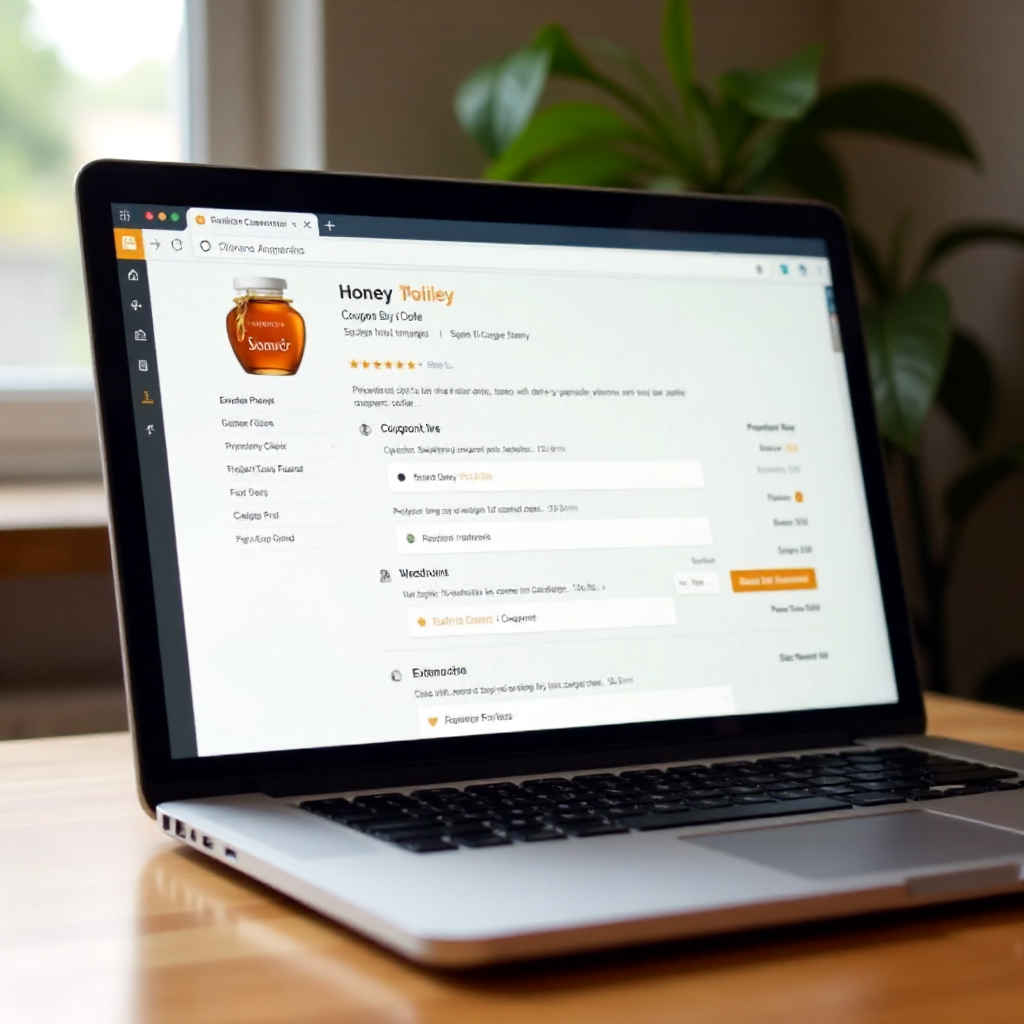
At the cart or checkout page, search for active promo codes. Browser extensions that auto-test coupon codes can save time here — they run through dozens of codes in seconds and apply the best one. Check the retailer's own email list too; subscriber-only codes are often the strongest available.
Step 4: Apply Loyalty Rewards or Store Credit
If you have accumulated loyalty points or store credit, apply them now. Some programs let you redeem points as a discount on the current order; others apply them as a credit toward future purchases. Either way, use them — points sitting idle are savings deferred indefinitely.
Step 5: Pay With a Cash-Back Credit Card
Complete the purchase using whichever credit card earns the highest rewards rate for shopping or the specific retailer category. A card offering 5% back on online purchases adds a final layer that requires zero extra effort once the card is in your wallet.
Stacking Discounts In-Store: What Works and What Doesn't
In-store stacking is slightly more restricted than online, but still very viable when you know the rules. The key difference is that you're working with a cashier and a point-of-sale system, both of which have built-in limits.
What typically works: Presenting a store loyalty card, applying a manufacturer coupon, and paying with a cash-back credit card is a combination most retailers accept without question. These are three separate programs that don't conflict with each other.
Price matching is another powerful in-store tool. If a competitor has a lower price, many retailers will match it — and some will match it and still honor your loyalty discount on top. Always ask; the policy is usually posted at the service desk.
What often doesn't work: stacking two store coupons of the same type (e.g., two percent-off store coupons on one item), or applying a promo code meant for online-only purchases at a physical register. Read the fine print on any coupon before you arrive at the store.
One underused in-store strategy is buying discounted gift cards before your shopping trip. A gift card purchased at 10–15% below face value from a reputable resale marketplace effectively pre-discounts your entire purchase, and you can still use your loyalty card and credit card rewards on top.
Tools and Browser Extensions That Do the Heavy Lifting
Browser extensions and cashback platforms automate the most tedious parts of discount stacking — finding codes, activating offers, and tracking rebates. You don't need to memorize every deal site; you need a small, reliable toolkit running in the background.
Coupon-finder browser extensions work by detecting when you're on a retailer's checkout page and automatically testing available promo codes. The best ones apply the highest-value code without any manual input. These extensions are free and take about 60 seconds to install.
Cashback portal extensions serve a different function: they alert you when a cashback offer exists for the store you're visiting and let you activate it without leaving the page. Some extensions combine both functions — code-finding and cashback activation — in a single interface.
For loyalty rewards programs, most major retailers have their own apps that track points, surface member-only deals, and send push notifications for bonus-point events. Keeping two or three of these installed for your most-visited stores takes minimal effort and surfaces deals you'd otherwise miss.
A word of caution: browser extensions request access to your browsing data. Stick to well-known extensions with large user bases and transparent privacy policies. The FTC's guidance on online shopping is a useful reference for understanding your rights and risks as a digital consumer.
Common Mistakes That Kill Your Savings Stack
Even experienced deal-hunters make mistakes that wipe out their stacked savings. These four errors are the most costly.
Forgetting to Activate Cashback Before Shopping
Cashback portals only track purchases made through their link or during an active session. If you navigate directly to the retailer without clicking through the portal first, the cashback won't register — even if you have an account and the offer exists. Make activating cashback the very first step of every online shopping session.
Ignoring Exclusion Lists on Coupons
Most coupons exclude certain brands, categories, or sale items. Applying a coupon to an excluded item at checkout often results in the discount silently not applying — and many shoppers don't notice until after they've paid. Scan the exclusions before adding items to your cart, not after.
Assuming All Stacking Combinations Are Permitted
Retailers set their own stacking rules, and these vary widely. One store may allow a manufacturer coupon plus a store coupon on the same item; another may limit you to one coupon per transaction. Checking the retailer's coupon policy page takes two minutes and prevents checkout-line surprises.
Letting Points and Rebates Expire
Loyalty points and cashback rebates often carry expiration dates — sometimes as short as 90 days of account inactivity. Treat your points balance like a small bank account: check it monthly and redeem before the clock runs out. Many shoppers accumulate hundreds of dollars in rewards they never collect.
Building a Repeatable Savings Routine
The difference between a one-time deal and a consistent savings habit is a system. Turning discount stacking into a routine takes about 15 minutes of setup and a few minutes per shopping trip once it's running.
Start by identifying the three to five retailers where you spend the most. For each one, set up a loyalty account, find out which cashback portal offers the best rate, and install the relevant browser extension. That's your foundation.
Before any significant purchase, run a quick mental checklist: Is there a sale event active? Do I have a promo code? Is my cashback portal activated? Am I paying with the right credit card? This four-question check adds maybe 90 seconds to your checkout process and can realistically save 20–40% on purchases where all layers align.
For larger purchases, add a gift card step: check whether discounted gift cards are available for that retailer before you shop. A 10% discount on a $300 purchase is $30 saved before a single coupon is applied.
The compounding effect of consistent stacking is significant. Shoppers who apply even three layers regularly — sale price, cashback portal, and credit card rewards — often save 15–25% on their total annual spending compared to those who rely on sale prices alone. That's not a one-off win; it's a structural shift in how every dollar you spend works for you.
Frequently Asked Questions
Can you stack a promo code with a cashback portal offer at the same retailer?
Yes, in most cases. Promo codes are applied at checkout by the retailer, while cashback portals track your purchase independently through their own system. These two mechanisms don't interfere with each other, so you can typically use both simultaneously. The exception: some retailers explicitly exclude orders using certain promo codes from cashback eligibility, so verify the portal's terms for that specific store.
Do loyalty points count as a stackable discount layer?
Loyalty points function as a stackable layer when redeemed as a discount on a purchase. Earning points on a transaction is separate — you're accumulating future value rather than reducing the current price. Both earning and redeeming can happen in the same transaction at many retailers, making loyalty programs one of the most flexible components of a savings stack.
What types of items or categories are most often excluded from stacking?
Electronics, luxury brands, already-discounted clearance items, and gift cards are the most commonly excluded categories. Pharmacy and prescription items are also frequently excluded from promotional stacking. Always check the exclusion list printed on the coupon or linked in the offer terms before shopping.
Is stacking discounts allowed, or can stores refuse combined offers?
Retailers set their own policies, and they're within their rights to limit stacking combinations. However, most stacking strategies — combining a sale price, a manufacturer coupon, loyalty points, and a credit card reward — use programs that operate through entirely separate systems, making them difficult to restrict simultaneously. The clearest guidance comes from reading each retailer's coupon and promotions policy, usually available on their website.
How do I know if a cashback offer has been activated before I check out?
Most cashback portals send a confirmation email or display an in-browser notification when an offer is successfully activated. Some browser extensions show a green indicator or badge when cashback is tracking for the current session. If you're unsure, log into your cashback portal account and check the "activated offers" or "pending cashback" section — a pending transaction should appear within minutes of completing your purchase.