
The Psychology Behind Limited-Time Offers and Flash Sales: Why We Can't Resist a Ticking Clock
You're browsing casually, not planning to buy anything. Then you spot it: a product you've glanced at before, now marked down 40%, with a timer ticking toward zero. Suddenly, you're reaching for your credit card. What just happened?
It wasn't an accident. The entire experience was designed around how your brain works — and understanding that design doesn't have to ruin the fun. It can actually make you a sharper, more confident shopper.
What Makes a Deal Feel Urgent?
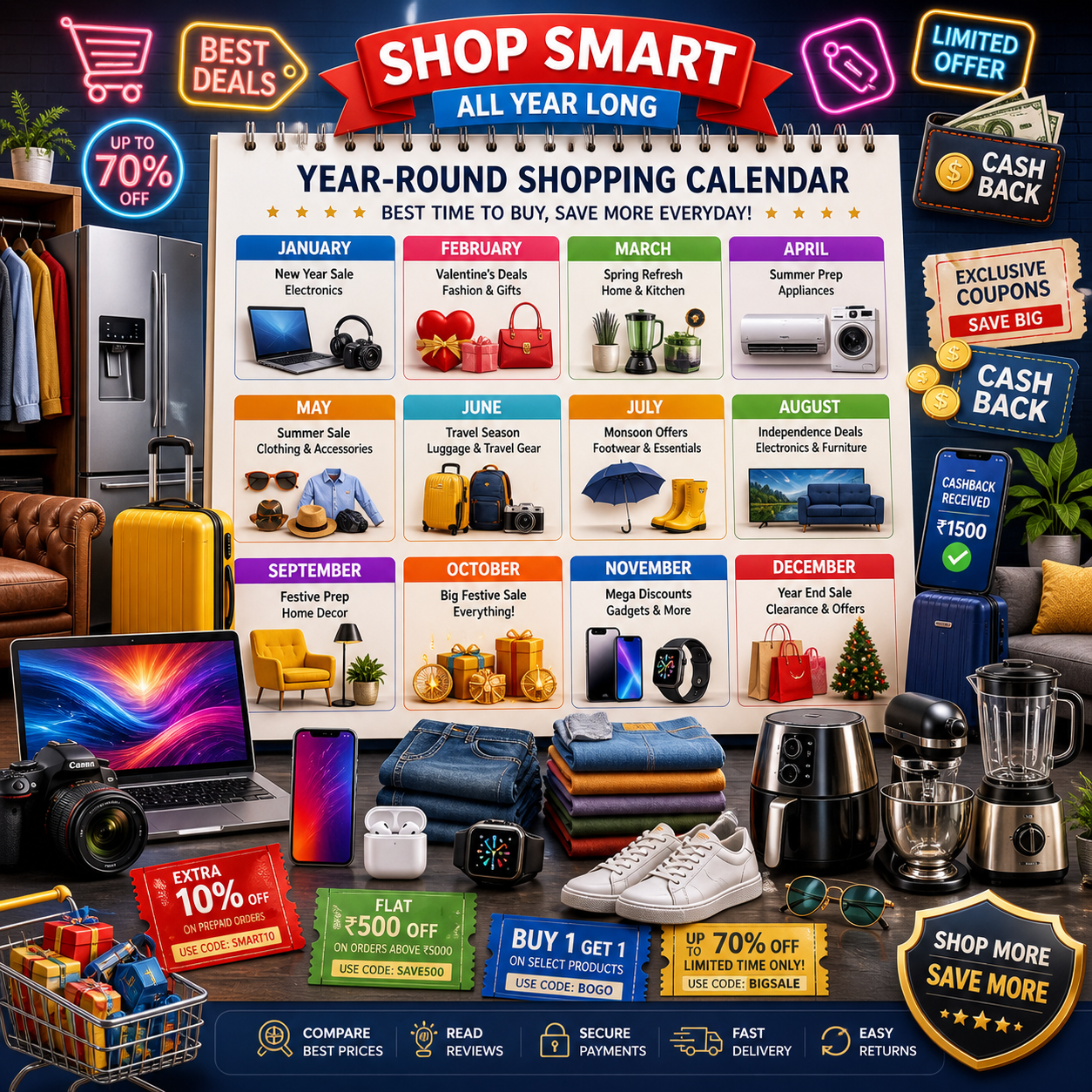
Urgency works because the human brain is wired to treat time pressure as a signal that something matters. When a deadline appears — whether it's a flash sale ending in two hours or a "last 3 in stock" warning — your decision-making shifts from deliberate to reactive.
This isn't a flaw. It's an ancient survival mechanism. Our ancestors had to act fast when resources were scarce. The modern brain hasn't fully caught up with the fact that missing a sale on sneakers is not the same as missing a meal.
Retailers understand this gap. They engineer urgency triggers — time limits, low inventory alerts, exclusive windows — not to deceive you outright, but to activate a mental mode where speed feels more important than reflection. Recognizing this shift is the first step to navigating it on your own terms.
The Scarcity Principle: Why "Limited" Changes Everything
The scarcity principle is simple: we assign more value to things that are rare or harder to obtain. A product available to anyone, anytime, feels ordinary. The same product with "only 5 left" attached to it suddenly feels worth having.
Psychologist Robert Cialdini identified scarcity as one of the core principles of influence, and it shows up everywhere in retail. Flash sales are perhaps its purest expression — a product becomes temporarily scarce not because supply is limited, but because the deal itself has an expiration date.
The effect on consumer behavior is measurable. Perceived scarcity accelerates decisions and increases willingness to pay. When shoppers believe they're competing with other buyers for a limited quantity, the item's desirability rises even if nothing about the product itself has changed.
That's worth sitting with. The product is identical. Only the context has shifted — and your brain responds as if the product got better.
Loss Aversion and the Fear of Missing Out
Loss aversion — the tendency to feel losses more acutely than equivalent gains — is one of the most robust findings in behavioral economics. Missing a 30% discount doesn't just feel neutral; it feels like losing money you already had.
Flash sales exploit this directly. The framing isn't "you could save $40" — it's "you'll lose $40 if you don't act now." That subtle reframe shifts the emotional stakes significantly. FOMO (Fear of Missing Out) amplifies this further, especially when sales are tied to social signals: "bestseller," "trending now," or "thousands sold in the last 24 hours."
The result is a kind of cognitive pressure where the question stops being "do I want this?" and becomes "can I afford to miss this?" Those are very different questions, and only one of them is actually useful.
Impulse buying is the natural output of this pressure. It's not irrational — it's a predictable response to a carefully constructed emotional environment. Knowing that doesn't make you immune, but it does give you a pause button.
How Retailers Engineer the Perfect Flash Sale
A well-executed flash sale is a layered system of psychological cues, each reinforcing the others. The individual elements are familiar; their combination is what makes them so effective.
Countdown timers are the most visible tool. A clock ticking down in real time creates continuous time pressure — every second you spend thinking is a second closer to losing the deal. Research in consumer behavior consistently shows that visible timers increase conversion rates, particularly for hesitant shoppers.
Low-stock warnings work on the scarcity principle. "Only 2 left at this price" implies competition and urgency simultaneously. Whether the stock warning reflects real inventory or not varies by retailer — more on that shortly.
The anchoring effect plays a quieter but powerful role. When a product is shown with a crossed-out original price alongside a sale price, your brain anchors to the higher number as the baseline. A $120 item "reduced" to $75 feels like a bargain even if $75 is close to its normal selling price. The anchor shapes your perception of value before you've had a chance to evaluate it independently.
Exclusive access windows — early access for email subscribers, member-only sales — add identity and status to the mix. You're not just getting a deal; you're part of a select group. That feeling of inclusion makes the purchase feel even more justified.

The Dopamine Loop: Shopping as a Reward Experience
Shopping during a flash sale isn't just a transaction — for many people, it's a genuine neurological reward. The brain's dopamine response activates not when you receive a reward, but when you anticipate one. The hunt for a deal, the countdown, the moment of clicking "buy" — each stage releases a small burst of dopamine.
This is why window shopping a sale can feel almost as satisfying as buying. And it's why some shoppers describe the experience of "winning" a flash deal as genuinely exciting, even for products they barely needed.
The problem is that dopamine doesn't evaluate whether the purchase was wise. It responds to the pattern: anticipation, action, reward. Over time, this loop can make impulse buying feel normal — even pleasurable in ways that are disconnected from the actual utility of what was bought. Post-purchase regret often follows, once the dopamine fades and the cognitive bias of the moment dissolves.
None of this means flash sales are inherently harmful. But understanding the neurological pull helps explain why the excitement of a deal can feel disproportionate to what you're actually buying.
How to Shop Smarter Without Killing the Fun
The goal isn't to become immune to deals — it's to stay in the driver's seat while enjoying them. A few practical habits make a real difference without turning every purchase into an exhausting analysis.
- Use a wishlist as a filter. If a product wasn't on your radar before the sale, give yourself 10 minutes before buying. Genuine need survives a short pause; pure impulse often doesn't.
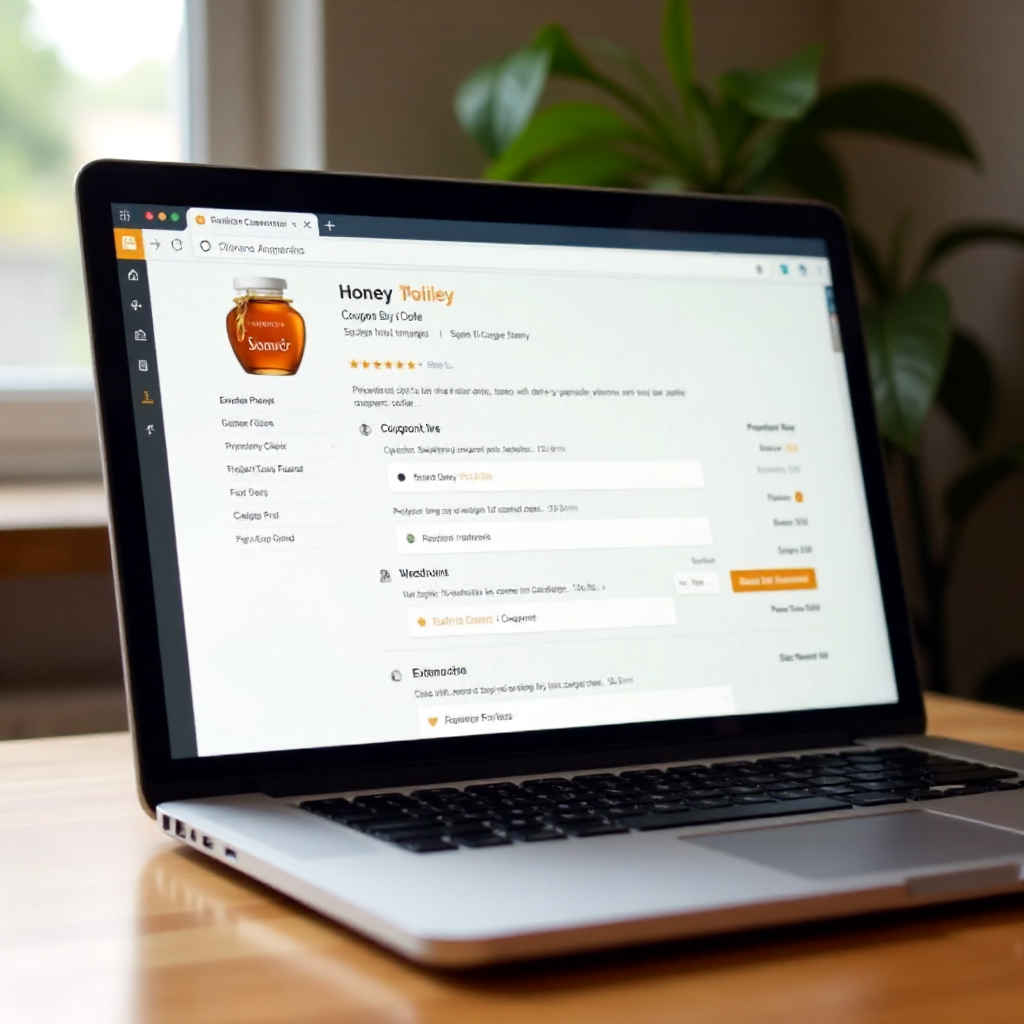
- Check the price history. Browser extensions like Honey or CamelCamelCamel (for Amazon) show historical pricing. If the "sale" price is the item's normal price, the anchoring effect was doing all the work.
- Set a deal budget. Allocating a monthly amount specifically for opportunistic purchases removes guilt and keeps spending in check. You're not depriving yourself — you're shopping with intention.
- Ignore the timer on first glance. If you feel rushed, that's the urgency trigger working as designed. Step away for five minutes. If the deal is still compelling after that, it's probably worth considering.
- Ask one question: "Would I buy this at full price?" If the answer is no, the discount is doing emotional work that the product itself isn't earning.
Deals are genuinely useful — they can make quality products accessible and help you stock up on things you actually use. The trick is letting your priorities drive the cart, not the countdown timer.
Are Flash Sales Ever Genuinely Good Deals?
Yes — and fairly often, depending on the category and retailer. Flash sales on seasonal goods, overstocked inventory, or end-of-line products frequently reflect real price reductions. Retailers do need to move merchandise, and that creates genuine opportunities for shoppers.
The challenge is distinguishing authentic discounts from manufactured urgency. A few signals help:
- Price history matters most. A product that has been $49 for six months, briefly listed at $89, then "discounted" back to $49 is not a deal. The inflated anchor price is the manipulation.
- Category context. Electronics, appliances, and seasonal clothing tend to have genuine clearance cycles. Everyday consumables or evergreen products are more likely to use artificial scarcity.
- Retailer reputation. Established retailers with transparent pricing policies are more likely to offer real discounts. Unfamiliar sites running constant "72-hour flash sales" deserve more skepticism.
The FTC's guidelines on retail advertising require that advertised "original" prices reflect genuine selling prices — but enforcement is imperfect. Your best protection is price verification, not trust alone.
Real deals exist. They're worth finding. The skill is separating the genuine bargains from the psychological theater — and that skill gets sharper the more you understand what's actually happening in your brain when the clock starts ticking.
Frequently Asked Questions
Are limited-time offers a form of manipulation?
They can be, but not always. Urgency triggers and scarcity cues are persuasion techniques — they're designed to influence behavior. Whether that crosses into manipulation depends on whether the underlying deal is genuine. A real discount with a real deadline is fair marketing. A fake "original price" with a permanent countdown timer is deceptive. The psychological mechanisms are the same; the ethics depend on honesty.
Why do I feel regret after buying something on impulse during a flash sale?
Post-purchase regret typically kicks in once the dopamine response fades. During the sale, cognitive bias narrows your focus to the deal itself — the discount, the timer, the excitement. Afterward, your brain returns to normal evaluation mode and asks whether you actually needed the item. That gap between excited-brain and reflective-brain is where regret lives.
Do countdown timers on shopping sites reflect real deadlines?
Sometimes, but not always. Legitimate flash sales have genuine end times. Some sites, however, use persistent or resetting timers that create artificial urgency regardless of actual inventory or time limits. If you revisit a page after the timer expires and the "sale" is still running, the timer was theater, not a real deadline.
How can I tell if a flash sale price is actually a discount?
The most reliable method is checking price history using a tool or extension that tracks historical pricing for the product. Compare the current "sale" price to what the item has actually sold for over the past 90 days. If the sale price is the normal price, the anchoring effect was the only discount you received.
Why do I feel excited even when I don't need the product?
Because the excitement isn't really about the product — it's about the deal itself. The dopamine response activates around the hunt and the "win," not the utility of what you're buying. FOMO and the scarcity principle create emotional arousal that feels like desire for the item, when it's actually a response to the competitive, time-pressured context the sale creates.