

Black Friday vs. Cyber Monday: Which Shopping Event Actually Offers Better Deals?
Every November, two shopping events dominate the calendar — and every year, shoppers face the same question: should you buy now or wait? Black Friday and Cyber Monday both promise significant savings, but they reward different types of buyers in different product categories. The honest answer is that neither event universally wins. What matters is knowing which one works for what you're buying.
What Is Black Friday and How Has It Evolved?
Black Friday is the day after Thanksgiving in the United States, traditionally marking the start of the holiday shopping season. It began as a single chaotic in-store event — long lines, limited inventory, and doorbuster deals designed to pull shoppers through retail doors at 5 a.m.
That version still exists, but it's increasingly a relic. Over the past decade, Black Friday has expanded well beyond a single Friday. Retailers now launch Black Friday Week sales as early as the first week of November, with many deals going live online days before Thanksgiving. Amazon, Walmart, Target, and Best Buy all run extended promotional windows that blur the original concept almost beyond recognition.
The shift matters for shoppers. What was once a race to the store is now a multi-day online event with rolling inventory. That also means the urgency is somewhat manufactured — most deals won't vanish at midnight if you miss the opening hour.
What Is Cyber Monday and Why Does It Exist?
Cyber Monday was created in 2005 specifically to drive online shopping — at the time, a novel concept that needed its own promotional push. The National Retail Federation coined the term after noticing a spike in e-commerce sales on the Monday following Thanksgiving, likely because shoppers returned to work with faster internet connections.
Today, the "faster internet at work" rationale is obsolete, but Cyber Monday has taken on a life of its own. It's now one of the highest online sales volume days of the year in the U.S., and it has expanded into Cyber Week — a full week of digital-first promotions running from Monday through the following weekend.
The event's digital-native origins still shape what gets discounted. Cyber Monday tends to favor products that are easy to ship, easy to compare online, and sold by retailers who operate primarily through e-commerce channels — including software companies, subscription services, and direct-to-consumer brands.
Which Categories Have Better Deals on Black Friday?
Black Friday traditionally delivers stronger discounts on large, high-ticket physical goods — particularly items that benefit from in-store display or require logistical coordination to ship. If you're shopping in these categories, Black Friday is usually the better window.
- Televisions and large displays — Retailers use big-screen TVs as loss leaders to drive foot traffic. Discounts on 55"+ sets are often deepest during Black Friday, with some models priced well below their typical sale price.
- Major home appliances — Refrigerators, washing machines, and dishwashers see meaningful markdowns. These are hard to ship cheaply, so in-store pickup deals tend to be more aggressive.
- Toys and board games — Physical toy retailers and big-box stores compete hard for holiday toy dollars during Black Friday week, making this one of the best times to buy for children's gifts.
- Apparel and fashion — Clothing brands, both online and brick-and-mortar, run some of their deepest seasonal discounts during Black Friday, often clearing fall inventory ahead of winter lines.
The catch: popular items in these categories can sell out quickly, and limited-time offers or flash sales add real pressure. Knowing what you want before the event starts matters more here than on Cyber Monday.
Which Categories Have Better Deals on Cyber Monday?
Cyber Monday tends to outperform Black Friday for digital products and smaller electronics — categories where online retailers have a structural advantage and can discount more aggressively without the overhead of physical retail.

- Laptops and tablets — While Black Friday has laptop deals, Cyber Monday often brings a second wave with different models and configurations, giving shoppers who missed the first round another shot.
- Software and digital subscriptions — Antivirus programs, productivity suites, cloud storage plans, and streaming subscriptions routinely hit their lowest annual prices on Cyber Monday. There's no shipping cost, so margins are easier to compress.
- Small consumer electronics — Headphones, smartwatches, wireless earbuds, and smart home devices often see competitive pricing from multiple online retailers competing simultaneously.
- Online courses and SaaS tools — Education platforms and software-as-a-service companies frequently run Cyber Monday promotions that don't appear at any other point in the year.
Cyber Monday also tends to have better stock availability for popular items, since it's entirely online and inventory is distributed across warehouses rather than concentrated in individual store locations.
How Do the Discounts Actually Compare?
The two events are closer in discount depth than most people expect — but they differ significantly in deal volume, shopping experience, and where the best value appears. According to data tracked by consumer research organizations like the National Retail Federation, Cyber Monday consistently generates higher total online sales volume than Black Friday, though Black Friday leads when in-store purchases are included.
A few honest comparisons worth knowing:
- Deal volume: Black Friday typically has more total deals across more categories. Cyber Monday has fewer deals, but a higher concentration in tech and digital goods.
- Discount depth: For the categories each event specializes in, discounts are roughly comparable. Don't expect Cyber Monday to dramatically undercut a Black Friday TV deal, or vice versa for software.
- Shopping experience: Cyber Monday is entirely online, lower stress, and easier to comparison-shop. Black Friday in-store can offer genuine exclusives, but requires more effort and planning.
- Price history: Some "deals" on both days aren't as deep as they appear. Using a price tracking tool like CamelCamelCamel (for Amazon) or browser extensions that show price history can reveal whether a discount is real or manufactured.
One underappreciated reality: many retailers now run the same promotion across both events, or extend Black Friday pricing through the weekend and into Cyber Monday. The two events have merged more than most shoppers realize.
Smart Shopping Strategies: How to Win Both Events
The best approach treats Black Friday and Cyber Monday as a single extended shopping window rather than two competing events. Here's how to work both to your advantage.
Build Your Wishlist Before November
Identify the specific products you want — model numbers included — before any sales begin. Retailers sometimes substitute similar-looking but lower-spec products as "deal" versions. Knowing the exact model you want protects you from this.
Use Price Tracking Tools
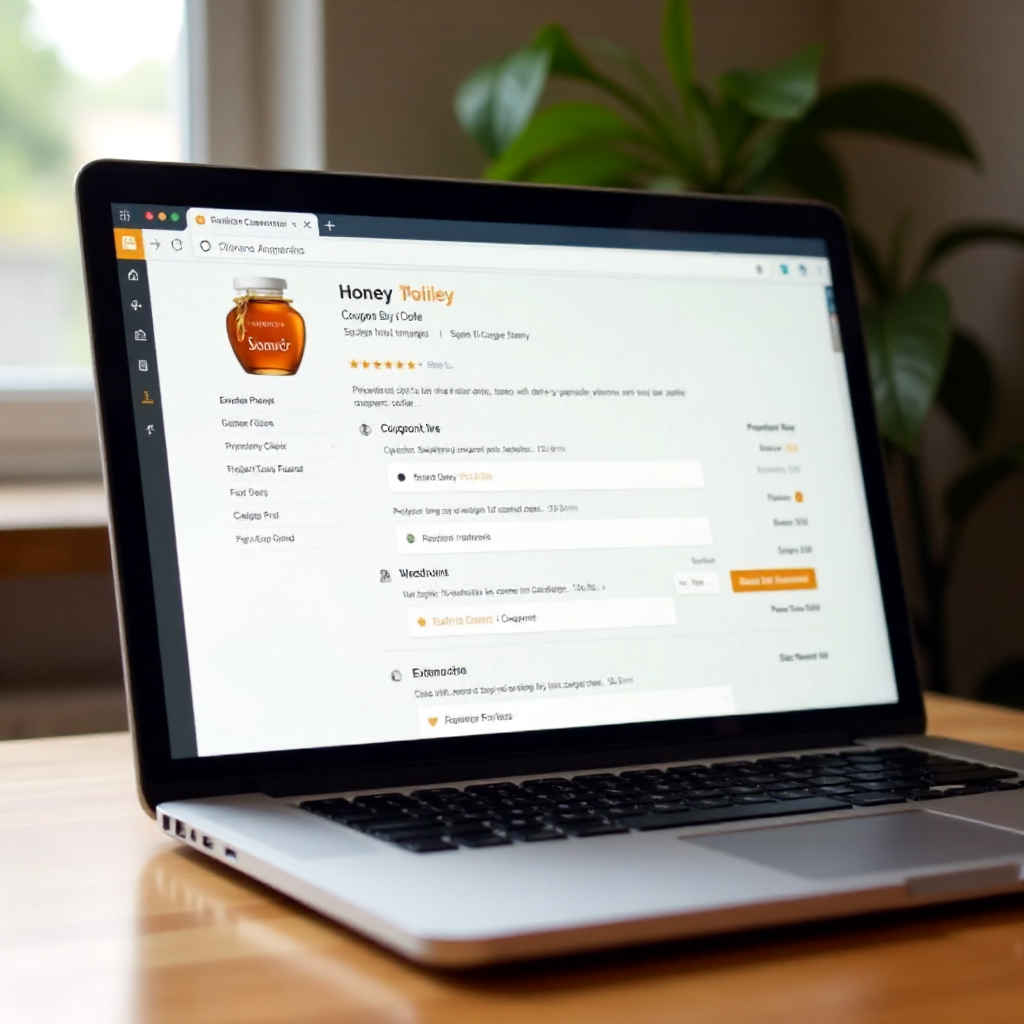
Set up price alerts through tools like Google Shopping, CamelCamelCamel, or Honey at least 30 days before Black Friday. This gives you a baseline to evaluate whether a deal is genuinely good or just dressed up as one. Price history data is the single most useful thing a deal-hunter can have.
Know When to Buy vs. Wait
If you see a strong Black Friday deal on a large appliance or TV that matches your research, buy it. Waiting for Cyber Monday to beat it on physical goods is usually a losing strategy. For laptops, software, and subscriptions, the opposite applies — patience through the weekend often pays off.
Watch for Flash Sales and Limited Inventory Warnings
Both events use flash sales and countdown timers to create urgency. Some are real (stock genuinely runs out); others are psychological pressure tactics. If a deal has been live for 18 hours and the timer keeps resetting, the urgency isn't real.
The Verdict: Which Should You Prioritize?
The right event depends on what you're buying and how you prefer to shop — there's no single winner across the board.
Choose Black Friday if you're shopping for televisions, major appliances, toys, or fashion — especially if you're comfortable buying online during the extended Black Friday Week window. The deals in these categories tend to peak earlier, and waiting for Cyber Monday rarely yields a better price on physical goods.
Choose Cyber Monday if your list includes laptops, software, digital subscriptions, small electronics, or anything sold primarily through e-commerce channels. The digital-first nature of Cyber Monday creates real competitive pressure among online retailers, and the shopping experience is more relaxed.
For most shoppers, the practical answer is: monitor both, use price tracking to validate deals, and don't let artificial urgency push you into a purchase that doesn't match your research. The holiday shopping season now runs from early November through late December — the best deals aren't always the loudest ones.
Frequently Asked Questions
Is Cyber Monday only for online shopping?
Yes, Cyber Monday is exclusively an online shopping event. Unlike Black Friday, which includes both in-store and digital sales, Cyber Monday deals are only available through e-commerce platforms and retailer websites.
Do Black Friday deals last through the weekend?
Many do. Most major retailers now extend Black Friday pricing through the entire Thanksgiving weekend, and some deals carry over into Cyber Monday. However, specific doorbuster deals and limited-quantity items may sell out before the weekend ends.
Can you get the same deal on both Black Friday and Cyber Monday?
Sometimes, yes. Retailers increasingly run the same promotions across both events, especially for popular electronics. That said, some deals are exclusive to one event, so checking both is worthwhile if you're flexible on timing.
Which day is better for buying electronics?
It depends on the type. Large TVs and home theater equipment tend to see their best prices on Black Friday. Laptops, tablets, and software often have stronger deals on Cyber Monday. For small consumer electronics like headphones or smartwatches, both events are competitive.
Are Black Friday and Cyber Monday deals available all week now?
Largely, yes. The distinction between a single "day" has eroded significantly. Black Friday Week starts in early November for many retailers, and Cyber Week extends promotions through the following weekend. The named days still see peak deal volume, but the surrounding days are worth monitoring too.