
Ethical Shopping on a Budget: Eco-Friendly Deals, Brands, and Smart Savings
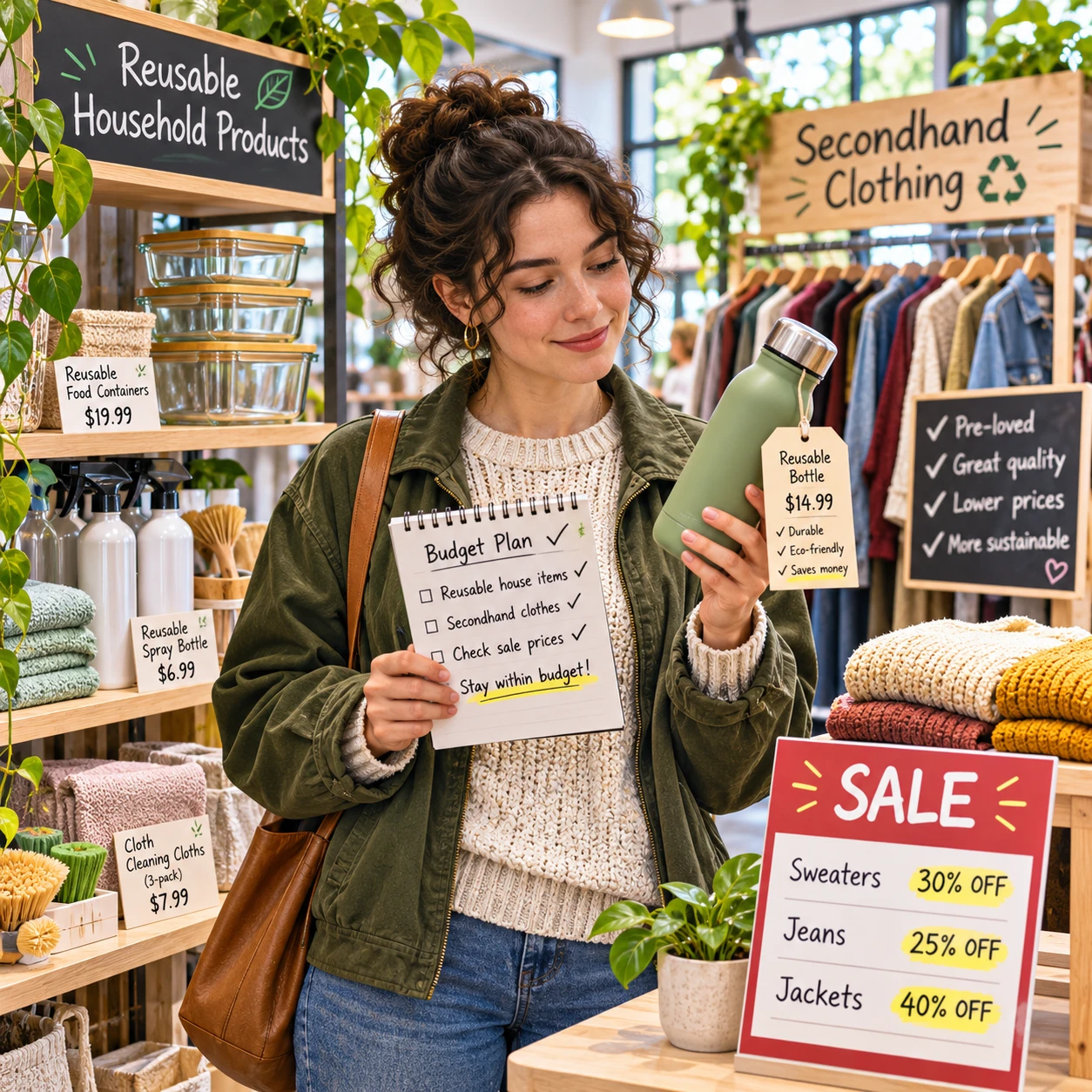
Ethical shopping can fit a real-world budget. You do not need to replace everything with a premium eco-friendly product; thoughtful planning, careful price comparisons, repairs, and secondhand shopping can make a difference without stretching your finances.
What ethical shopping means—and what it doesn’t
Ethical shopping means considering a product’s materials, labor, durability, and production impacts before you buy. It does not mean every purchase must be perfect, expensive, or supported by a long list of certifications.
For one item, the most important factor might be whether workers receive fair treatment. For another, it may be how long the product lasts or whether it can be repaired. **Sustainable brands** may share information about sourcing, factory standards, packaging, and environmental targets, but policies and progress can vary. Look for specific explanations rather than assuming a broad claim tells the whole story.
Fair-trade certification can offer useful information about certain supply-chain standards, especially for products such as coffee or chocolate. It is one factor to consider, not a guarantee that every part of a product’s lifecycle is sustainable. A practical approach is to weigh the issue most relevant to the purchase and the evidence the company provides.
Ethical shopping also includes choosing not to buy. If an item is unnecessary, a discount does not make it a responsible deal. Your budget, household needs, and available choices matter; small, repeatable decisions are more realistic than an all-or-nothing standard.
Start with what you need and buy less
Start ethical shopping by checking what you already own and buying only what you need. Planning purchases, repairing usable items, and choosing durable replacements can reduce both waste and repeat spending.
Before shopping, make a short list and note the problem each item needs to solve. Check cupboards, closets, and drawers first. If a zipper is broken or a chair is loose, a repair may cost less than replacement; compare the repair price with the cost and expected lifespan of a new item.
When you do need to replace something, compare **cost per use**, not just the sticker price. A reusable water bottle, for example, may cost more than a disposable option at checkout, but it can serve for years if it suits your routine and is cared for properly. The trade-off is that reusable products still require materials, cleaning, and eventual replacement, so buying one you will actually use matters.
For clothing, assess fabric, stitching, care instructions, and whether the garment fits your everyday life. For household goods, check whether parts are replaceable and whether the product can be cleaned or repaired. A slightly higher upfront price can make sense when durability is credible; it is a poor value if the item is difficult to maintain or likely to sit unused.
Find affordable eco-friendly products and brands
Affordable eco-friendly products are easiest to find when you compare by category, check the evidence behind brand claims, and focus on features that matter for the item. No single label makes a product the best choice for every household.
Try this category-by-category checklist:
- Cleaning and personal care: Compare concentrated refills, simpler packaging, and products you can use up before buying more. Check ingredients and disposal instructions if those are important to you.
- Clothing: Consider secondhand garments, repairable basics, and fabrics that suit how often you will wear and wash them. Review a brand’s labor and sourcing information rather than relying on a green slogan.
- Food and pantry staples: Compare unit prices for items such as coffee, tea, or chocolate, and look for relevant sourcing details or fair-trade certification when available. Buy only quantities your household can use.
- Reusable products: Choose bags, containers, or other reusables that match your routine. A durable item is useful only if it replaces disposables in practice.
To vet sustainable brands, look for concrete policies, dates, goals, and progress updates. Check whether the company explains its materials, labor standards, returns, and packaging. Independent certification can help with specific questions, but read what the standard covers and what it leaves out.
Price alone is not proof of quality or ethics. A lower-cost product from a transparent company may be a better fit than an expensive item with vague claims. Conversely, some responsible products cost more because of materials or production choices. Compare like with like, and choose the strongest option your budget allows.
Save with coupons, sales, and rewards
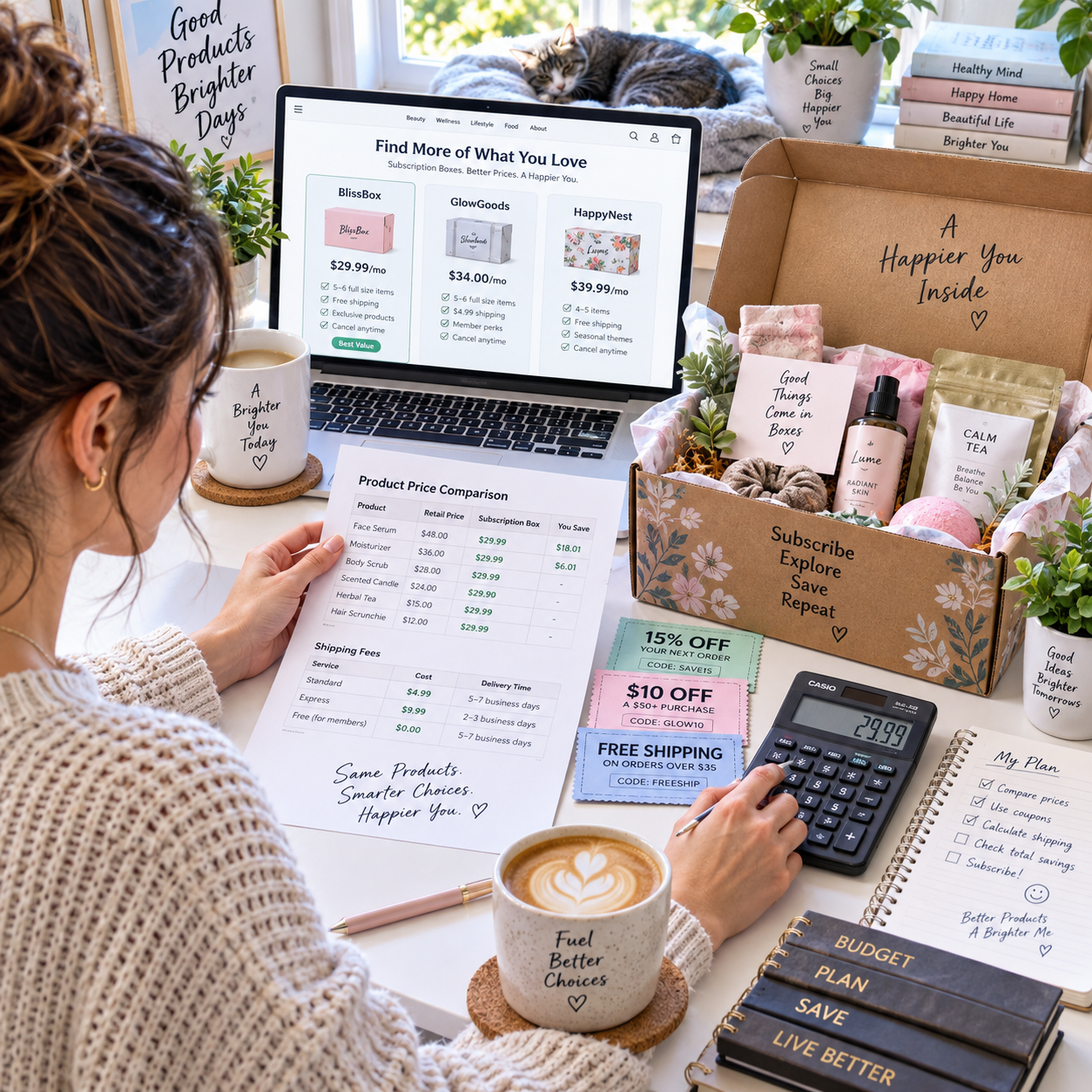
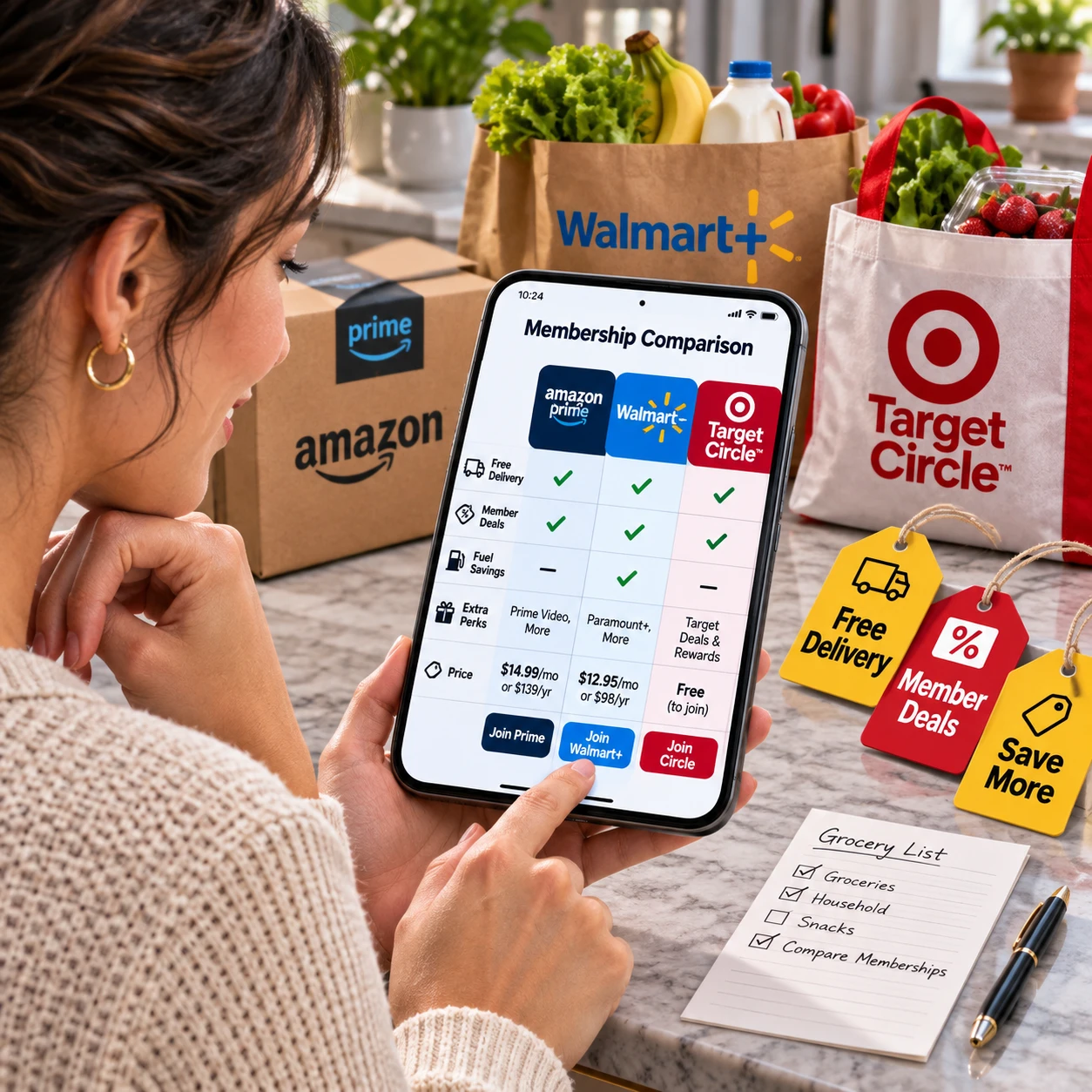
Save on ethical products by checking for coupons and promo codes, seasonal sales, and rewards, then comparing the final cost with your other options. A discount is worthwhile only when you already need the item and the terms make sense.
Before checkout, use this quick price check:
- Compare the item’s price across sellers, including unit price where relevant.
- Apply eligible coupons or promo codes and confirm that the discount appears in the total.
- Add shipping, taxes, and any minimum-spend requirement.
- Read the return policy, especially for sale or clearance items.
- Check whether a rewards offer requires spending more than planned.
Seasonal discounts can make planned purchases more affordable, but timing varies by retailer and product. Sign up for a brand’s email or rewards program only if you are comfortable with its marketing and privacy terms. Keep a list of items you genuinely need, then check for a sale rather than browsing promotions for ideas.
Coupons can be used on sustainable brands when the retailer or brand permits them. Review exclusions, expiration dates, and whether codes apply to sale items. One common mistake is buying an extra product to meet a minimum order threshold; the added item can erase the savings and create clutter.
Shop secondhand, locally, and in bulk where it makes sense
Secondhand shopping, local purchasing, and bulk buying can lower costs, but the best option depends on the product, its condition, and how much your household will use. Check quality and total cost instead of assuming these choices are automatically better.
Thrift stores, resale shops, community marketplaces, and clothing swaps can be good sources for garments, books, furniture, and some household goods. Inspect items for wear, missing parts, stains, or repair needs. For products where safety or hygiene is difficult to assess, buying used may be less suitable; follow product-specific safety guidance and trust your judgment.
Buying locally can make it easier to inspect a product, avoid some delivery costs, or support nearby makers. Local does not automatically mean low-impact or fairly made, so ask about materials and production when those details affect your decision. For groceries, compare the price and likely food waste as well as the distance traveled.
Bulk purchasing may reduce packaging or lower the unit price, particularly for staples you use regularly. It can also tie up cash and lead to waste if the product expires, takes up too much space, or does not suit your needs. Start with a small quantity before committing to a large pack.
Spot greenwashing and prioritize your budget
Spot greenwashing by looking for broad environmental claims without clear evidence, context, or a way to verify them. Prioritize the issues that matter most for each purchase, and remember that affordable, incremental choices count.
Words such as “natural,” “green,” or “planet-friendly” do not explain how a product was made or what impact it has. Look for specific statements: which materials are used, what portion is recycled, which facilities or workers a policy covers, and whether the company reports progress. Be cautious when packaging highlights one positive feature while leaving other important details unclear.
Use a simple **claim, proof, fit** check:
- Claim: What exactly is the brand saying?
- Proof: Is there a detailed policy, relevant certification, or credible supporting information?
- Fit: Does the product meet your needs at a price you can afford, and will you use it?
Avoid two common traps: paying a premium because a label sounds ethical without checking what it covers, and buying a product you do not need because a coupon makes it seem urgent. If the more responsible option is out of reach, use what you have, repair it, or choose a lower-cost alternative when replacement is necessary. Ethical shopping works best as a set of practical decisions, not a test of perfection.
Frequently asked questions
These answers cover common budget and product questions, from finding discounts to judging whether secondhand is the right choice.
How can I shop sustainably on a tight budget?
Buy only what you need, repair items where practical, and check secondhand options before buying new. For necessary purchases, compare unit prices and look for coupons or sales without letting a discount dictate what you buy.
Are eco-friendly products always more expensive?
No. Prices vary by product, retailer, and materials. Reusable or durable items may cost more upfront, while secondhand goods, refills, and sale items can be affordable. Compare the total cost and expected use rather than relying on a label or sticker price.
How can I tell if a brand is genuinely ethical?
Look for clear information about materials, labor standards, sourcing, and environmental goals. Check the scope of any certification and see whether the company reports progress. Vague claims without supporting detail are a reason to investigate further.
Is buying secondhand better than buying new?
It can be a lower-cost way to extend an item’s life, especially for clothing, books, and furniture in good condition. The answer depends on safety, quality, repair needs, and whether you will use it. A damaged item that requires costly repairs may not be a bargain.
Can coupons be used on sustainable brands?
Often, yes, but each retailer sets its own terms. Check exclusions, minimum orders, shipping charges, and return rules, then compare the final price with other sellers before placing an order.