How to Spot Fake Discounts and Avoid Shopping Scams: A Practical Guide
Online shopping has never been easier — or riskier. Alongside genuine bargains, a growing number of deceptive promotions are designed to make you feel like you're winning while you're actually losing. This guide breaks down exactly how to tell the difference, so you can chase real deals with confidence.
Why Fake Discounts Are More Common Than You Think
Fake discounts have become a standard playbook for both shady retailers and major platforms. The core trick is simple: inflate the "original" price, then slash it dramatically to manufacture the illusion of savings.
This practice — sometimes called reference price manipulation — is alarmingly common during high-traffic shopping events like Black Friday, Cyber Monday, and seasonal clearance sales. Retailers know that shoppers are primed to act fast during these windows, which makes the conditions ideal for deception.
A 2023 investigation by consumer advocacy groups found that a significant portion of "deal" prices during major sales events were based on reference prices that had never actually been charged to customers. The item was listed at an inflated price for a few days, then "discounted" to what was essentially its normal retail value.
The problem isn't limited to obscure websites. Even large marketplaces have faced regulatory scrutiny over misleading pricing. Knowing the warning signs protects you regardless of where you shop.
Red Flags of a Fake Discount
The clearest signal of a fake discount is a reference price that doesn't hold up to basic scrutiny. If a product is "normally" $299 but has been listed at $49 for weeks, something doesn't add up.
Watch for these specific patterns:
- Suspiciously round "original" prices — $500, $1,000, $200. Real retail pricing is rarely this clean.
- Percentage-off claims above 70-80% on everyday consumer goods. Genuine discounts at this level are rare outside of liquidation sales.
- Vague "was/now" labels with no date range or source for the original price.
- Prices that never seem to change — if a product is perpetually "on sale," the sale price is the real price.
- Coupon codes that require you to add items to a cart first, only to reveal the discount was already baked into the listed price.
A quick cross-check on another retailer's site often exposes the manipulation within seconds. If the "original" price appears nowhere else, treat it with skepticism.
How to Recognize a Fraudulent Shopping Website
Counterfeit storefronts are designed to look legitimate — and many do, at first glance. The goal is to collect payment and personal data before you realize something is wrong.
Start with the basics. Check the domain name carefully. Scam sites often use names like "nike-outlet-official.com" or substitute characters ("rn" instead of "m") to mimic trusted brands. A domain registered within the last few months is a significant red flag — you can verify this through free WHOIS lookup tools.
Next, look for HTTPS and a valid SSL certificate. The padlock icon in your browser's address bar means the connection is encrypted, but it does not mean the site is legitimate. Scammers use SSL too. HTTPS is necessary but not sufficient on its own.
Other warning signs include:
- No physical address, phone number, or verifiable contact information
- Grammar and spelling errors throughout product descriptions or policies
- Return and refund policies that are vague, missing, or buried in difficult-to-find pages
- Reviews that are all five-star, posted within a short window, and written in generic language
- No presence on social media, or accounts created recently with minimal engagement
If you can't find the retailer mentioned anywhere outside their own website — no press coverage, no forum discussions, no third-party reviews — that silence is telling.
Urgency and Pressure Tactics: Don't Let Them Rush You
Countdown timers and "only 2 left in stock" alerts are designed to short-circuit your judgment. The goal is to make you act before you think.
These are called dark patterns — UX design choices that manipulate behavior rather than inform it. A countdown timer that resets when you refresh the page isn't tracking real inventory or a real deadline. It's a psychological lever. The same applies to pop-ups claiming another shopper is "viewing this item right now."
Legitimate flash sales do exist, but they have a key difference: the urgency is verifiable. A genuine limited-time offer from a reputable retailer will be consistent across their official channels, mentioned in their email newsletter, and not dependent on pressure-inducing pop-ups to drive conversions.
The practical rule: if you feel rushed, slow down. A real deal will still be a good deal after five minutes of research. If it disappears in that time, it probably wasn't worth having.
How to Verify Whether a Deal Is Legitimate
Verifying a deal takes less than two minutes and can save you from a frustrating — or expensive — mistake. The most reliable method is checking the product's price history.
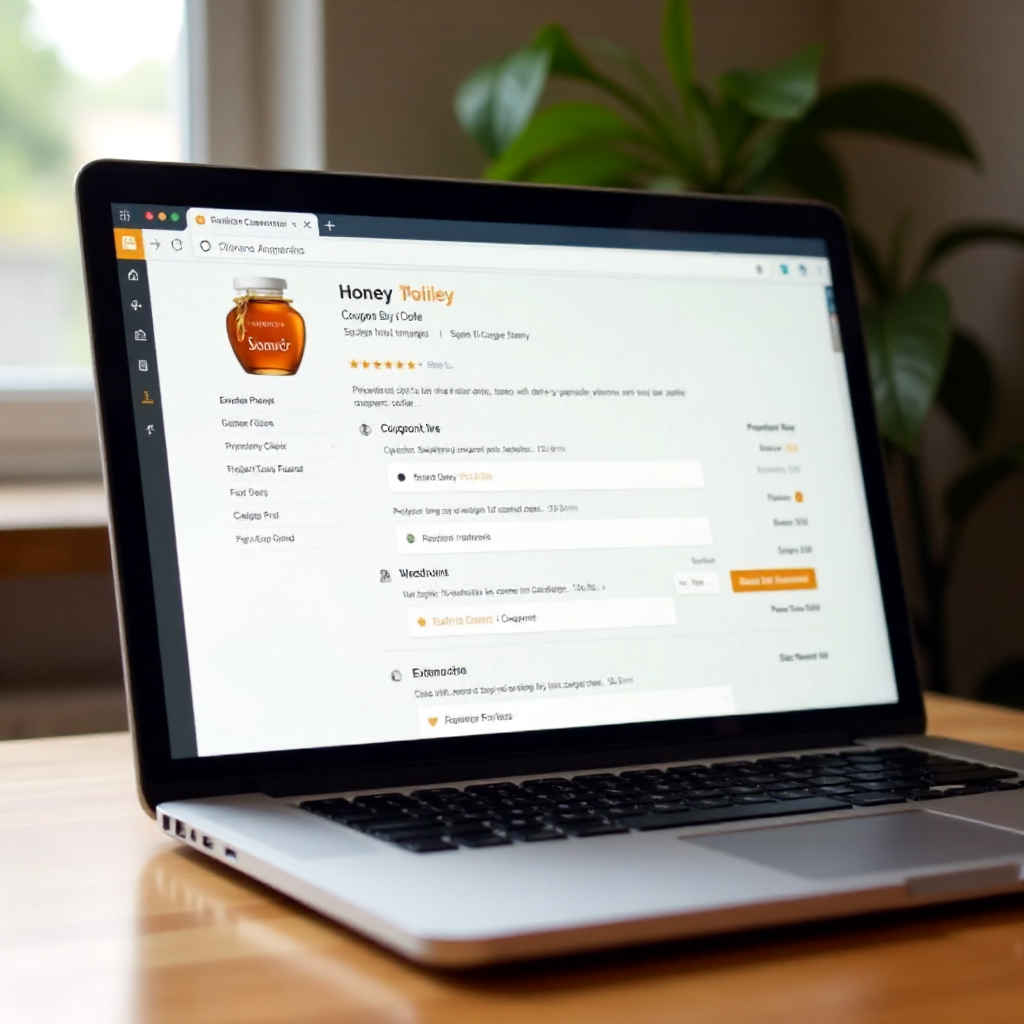
Browser extensions that track historical pricing data show you how a product's price has moved over time. If the "original" price was only listed for three days before the "sale" began, you're looking at manufactured urgency, not a real discount. Many of these tools work directly in your browser as you shop, displaying price history graphs without requiring you to leave the page.
Beyond price history, take these steps before completing any purchase:
- Cross-check the price on at least two other retailers carrying the same product (same model, same SKU).
- Read the fine print on coupon codes — some promo codes from third-party sites are expired, restricted to new customers only, or tied to minimum purchase thresholds that eliminate the savings.
- Confirm the return and refund policy before buying, not after. A legitimate retailer makes this information easy to find.
- Search the retailer's name plus "review" or "scam" in a search engine. Real customer experiences surface quickly.
For coupon codes specifically, stick to codes shared directly by the retailer via their official email list or social accounts. Third-party coupon aggregator sites vary widely in accuracy and can sometimes lead to phishing websites designed to mimic checkout pages.
Safe Payment Practices That Protect You
Using the right payment method is your last line of defense if everything else goes wrong. Credit cards offer the strongest consumer protection for online purchases — specifically through chargeback rights, which allow you to dispute a transaction and recover funds when a product isn't delivered or misrepresented.
PayPal's buyer protection program offers similar coverage for eligible transactions, and some digital wallets provide dispute mechanisms as well. The key is that these protections exist and are relatively straightforward to invoke.
What to avoid: debit cards, wire transfers, cryptocurrency payments, and gift cards. These payment methods offer little to no recourse once funds leave your account. Any website that insists on these methods — especially gift cards — is almost certainly fraudulent.
Choosing credit cards for online shopping isn't just about rewards points. The chargeback mechanism is a genuine safety net, and scammers know it. That's why they push alternative payment methods so aggressively.
What to Do If You've Been Scammed
If you realize you've been deceived, act quickly — the faster you move, the better your chances of recovering funds or limiting damage.
Follow this sequence:
- Contact your bank or card issuer immediately to dispute the charge. Most institutions have a window of 60-120 days from the transaction date, though this varies by country and card network.
- Report the fraudulent website to your country's consumer protection authority. In the US, that's the Federal Trade Commission (FTC) at reportfraud.ftc.gov. In the UK, Action Fraud handles these reports. These reports help authorities track patterns and shut down repeat offenders.
- Change any passwords associated with accounts you used during the transaction, especially if you created an account on the fraudulent site.
- Monitor your credit and bank statements for the next several weeks for any unauthorized charges.
One important caveat: legal remedies vary significantly by country and jurisdiction. Chargebacks are not guaranteed, and consumer protection laws differ widely. Acting fast gives you the best chance within whatever framework applies to you.
Frequently Asked Questions
How can I check if a discount is real before buying?
Use a browser extension that tracks price history for the product. If the "original" price was only listed briefly before the sale, it's likely inflated. Cross-checking the same item on two or three other retailers takes under a minute and usually reveals the true market price.
Are browser extensions safe to use for price tracking?
Most reputable price-tracking extensions are safe, but review the permissions they request before installing. An extension that asks to read all your browsing data or access passwords is requesting more than it needs for price comparison. Stick to extensions with a large user base, recent updates, and transparent privacy policies.
What makes a shopping website trustworthy or suspicious?
Trustworthy sites have verifiable contact information, clear return policies, consistent reviews across multiple platforms, and an established domain history. Suspicious sites often have recently registered domains, no physical address, generic or copied product descriptions, and reviews that appear in bulk within a short timeframe.
Can I get my money back if I bought something from a scam site?
Possibly — if you paid by credit card or through a buyer-protected service like PayPal. File a dispute with your card issuer as soon as you identify the fraud. Success isn't guaranteed, but chargeback rights exist specifically for situations like this. Payments made via wire transfer, cryptocurrency, or gift cards are generally unrecoverable.
Is it safe to use coupon codes from third-party websites?
It depends on the source. Codes shared directly by retailers through their official channels are reliable. Third-party aggregator sites vary in quality — some are accurate and useful, others host expired codes or redirect to phishing pages. When in doubt, get coupon codes directly from the retailer's email newsletter or official social media accounts.